Our 2026-2030 strategy
for more solidarity and inclusion in the world
Against a backdrop of escalating crises and growing inequality, HI is rolling out its 2026–2030 strategy to strengthen its work with vulnerable populations, particularly people with disabilities, whilst adapting its organisation to meet current and future challenges.
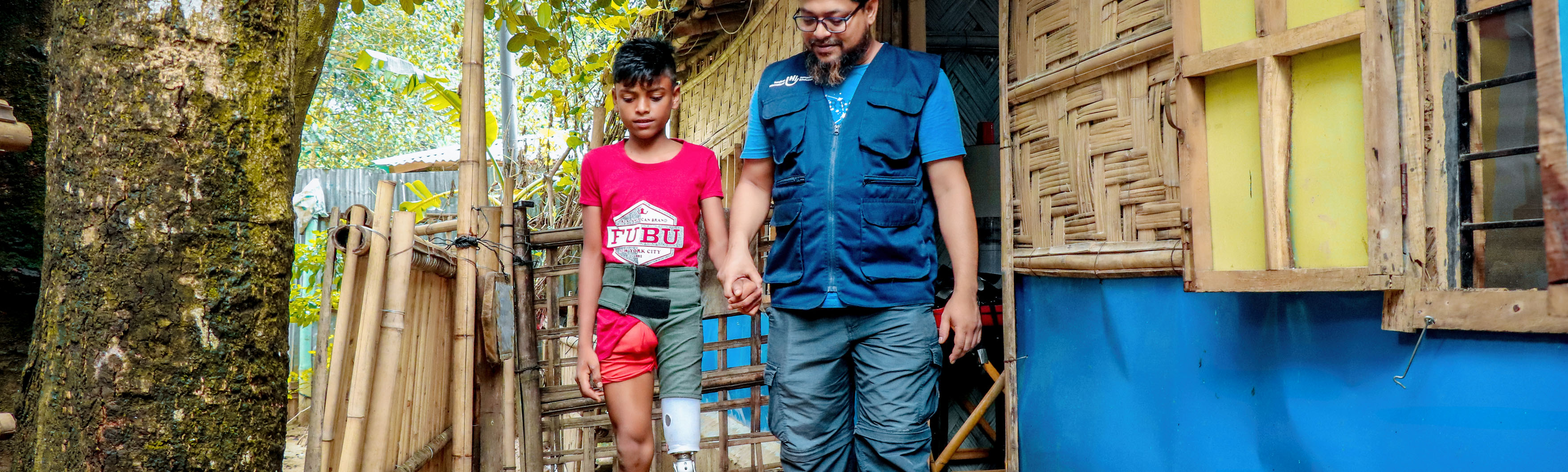
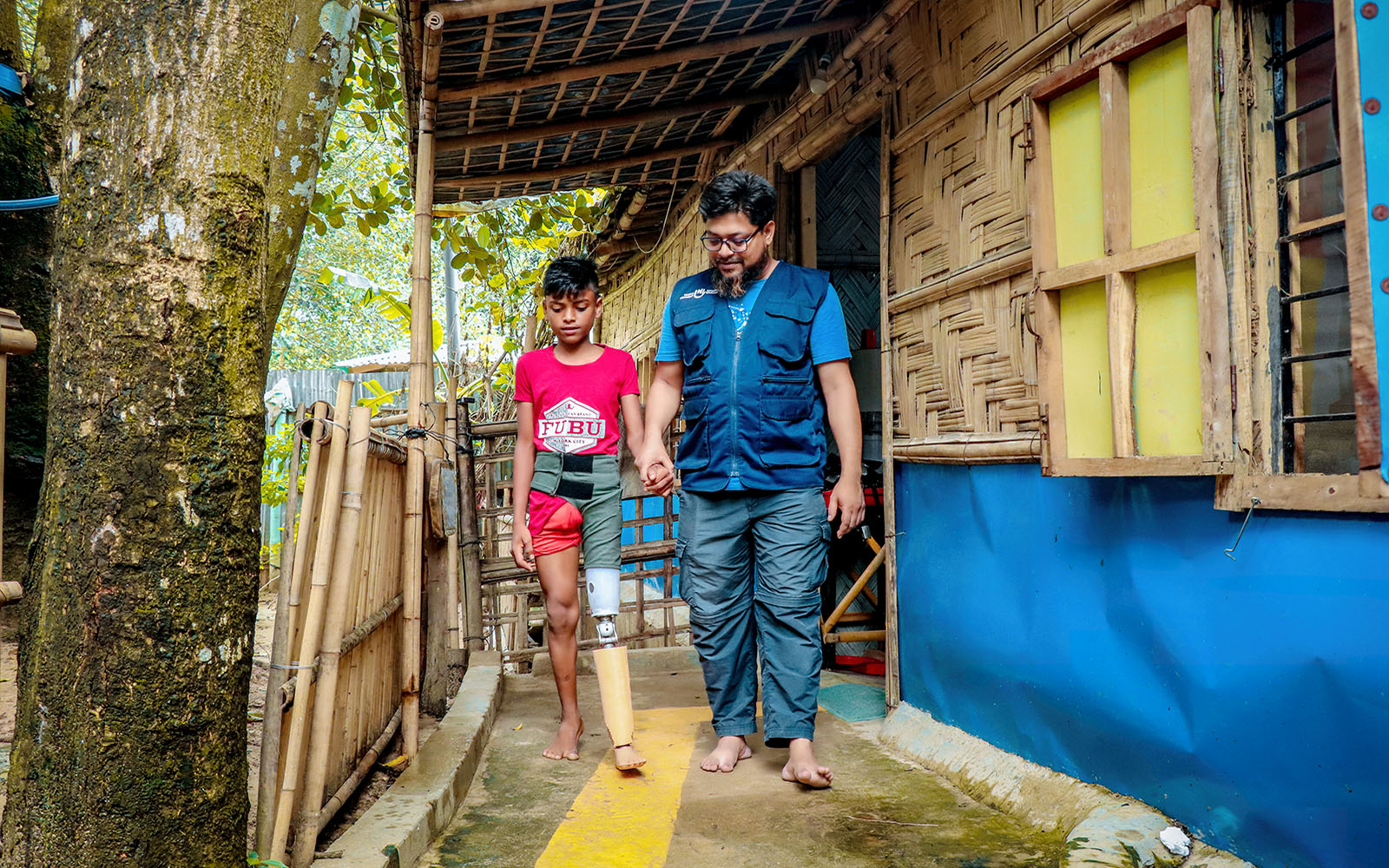
Bangladesh - © Abdun Noor / HI
Our ambition for the next five years
HI reaffirms its mission: to be an independent and impartial international solidarity organisation, working in situations of poverty and exclusion, conflict and disaster. Working alongside people with disabilities and vulnerable populations, it takes action and speaks out to meet their essential needs, improve their living conditions and promote respect for their dignity and fundamental rights.
Adapting to preserve our ability to act on behalf of the most vulnerable
Against a backdrop of intensifying conflicts, rising forced displacement, growing inequality and increasing pressure on resources, HI is adopting a new strategy for the period 2026–2030.
This strategy aims to strengthen our capacity to support the most vulnerable populations and people with disabilities, whilst evolving our organisation to meet the challenges of today and tomorrow.
We will strengthen our capacity to respond rapidly to crises by mobilising our teams and partners more easily, pre-positioning resources and improving our emergency preparedness. We will also make our projects and services more agile so that we can act effectively from day one in the countries where we operate, and from the first week in countries where we do not have a presence.
We will strengthen our support for vulnerable migrants, refugees and displaced people, particularly in the Global South. We will also seek to develop, in partnership with other organisations, initiatives to support refugees and migrants with disabilities in the Global North.
We will actively defend humanitarian law, fundamental rights and civic space by strengthening our advocacy for the protection of civilians and people with disabilities. We will also work with other civil society actors to document violations and promote solidarity, the fight against discrimination and the freedom of action of NGOs.
We will strengthen the leadership of local actors by promoting their participation and decision-making, particularly for vulnerable people and people with disabilities. We will develop more equitable partnerships, support their capacity for action and their visibility. We will further open up our governance to local representatives.
We will clarify and strengthen our approach by building on our areas of expertise and improving the quality and impact of our programmes. We will further integrate the inclusion of people with disabilities, gender equality, climate issues and advocacy, whilst supporting innovation and working closely with our partners and the communities concerned.
We will strengthen our capacity to work with institutional donors by developing funding opportunities, improving partnership and project management, and exploring new donors in different regions of the world. At the same time, we will advocate for more ambitious official development assistance and support our partners so that they too can access this funding.
We will strengthen our private fundraising by developing relationships with major donors and potential testators (those who will leave a bequest), whilst exploring new funding opportunities in certain countries where we operate. To achieve this, we will also invest in raising our organisation’s profile and in building a lasting relationship of trust with our audiences.
We will streamline the organisation of our headquarters to strengthen the autonomy of the five operational regions and bring human and financial resources closer to projects in the field. This change will be accompanied by a leaner, more decentralised organisation, whilst maintaining strong strategic functions and rigorous risk management.
We will evolve our working methods to become more agile and efficient, by simplifying processes, decentralising decision-making and responsibly integrating new technologies such as artificial intelligence in a way that is . At the same time, we will strengthen our commitment to sustainability and frugality, by controlling our expenditure and significantly reducing our carbon footprint.
We will strengthen diversity within our organisation by promoting a variety of profiles, including in leadership roles and international assignments. We will also ensure we better support, retain and include our teams and volunteers, in particular by making the organisation more accessible and welcoming for people with disabilities.
Beyond its operational priorities, this strategy commits HI to a profound transformation:
- changing the way it operates,
- adapting to a challenging financial environment,
- enhancing its agility and accountability.
A shared vision
This strategy is the result of a wide-ranging consultation involving teams, partners, civil society organisations and those affected. It is based on a firm conviction: lasting impact requires actions rooted in local realities and driven collectively.
Heading towards 2030
Through this strategy, HI reaffirms its commitment to remaining a leading player in humanitarian action and inclusive development, capable of adapting, innovating and responding as closely as possible to people’s needs.
2026-2030 strategy
This strategy aims to strengthen our capacity to support the most vulnerable populations and people with disabilities, whilst evolving our organisation to meet the challenges of today and tomorrow.
Photo: Bangladesh - © Abdun Noor/HI