In Somalia and Somaliland, HI works to ensure that the specific needs of people with disabilities are better addressed in the humanitarian response, and implements rehabilitation, mental health and stimulation therapy activities.
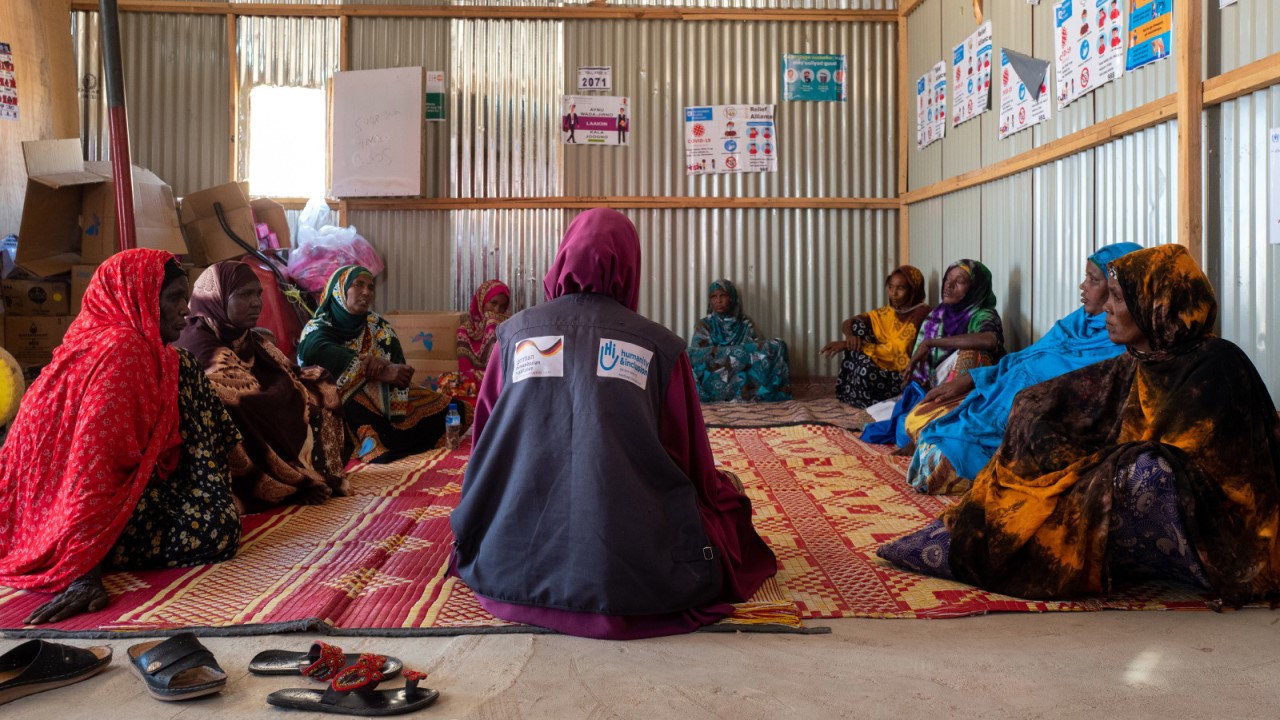
In Somalia and Somaliland, HI works to ensure that the specific needs of people with disabilities are better addressed in the humanitarian response, and implements rehabilitation, mental health and stimulation therapy activities.
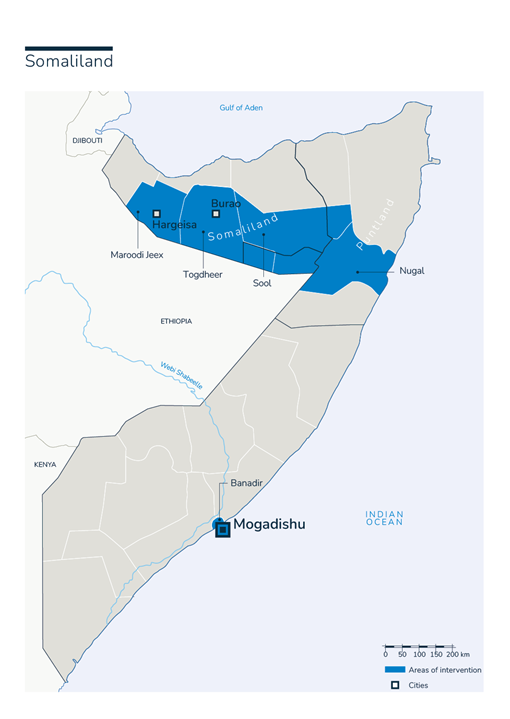
HI supports crisis-affected and vulnerable populations through an operational presence in Mogadishu, Hargeisa, Garowe, Burao, and Laasanod. The organisation works to improve access to essential, inclusive, and quality services for people with disabilities, children, women, and other at-risk groups affected by displacement, poverty, climate shocks, and protection risks.
HI delivers also rehabilitation, mental health and psychosocial support, stimulation therapy, and inclusive humanitarian action. The organisations combine direct service delivery with system strengthening, community engagement, and referral pathways, ensuring that vulnerable people—particularly persons with disabilities—can access timely, dignified, and quality support.
HI provides mental health and psychosocial support services to people affected by violence, displacement, injury, and psychological distress. Our teams work closely with health facilities, community structures, and local authorities to strengthen access to quality care, referral systems, and case follow-up, particularly for individuals who are often left behind in humanitarian response.
The organisation operates a rehabilitation centre in Laasanod, where assistive devices, physiotherapy services, and follow-up care are provided for people with disabilities. These services support individuals in regaining independence, improving functional capacity, and enhancing their inclusion in family and community life. HI also works closely with communities, local actors, Organisations of Persons with Disabilities (OPDs), and health facilities by providing training to improve the quality, continuity, and accessibility of services.
In addition, HI Somalia/Somaliland runs a stimulation therapy centre in Burao, where teams support young children affected by malnutrition or developmental risks. Through individualized stimulation therapy sessions, caregivers are trained in practical home-based techniques, enabling them to continue supporting their children after discharge.
Lastly, HI focuses also on providing technical support to humanitarian actors and strengthening the capacity of WASH (Water, Sanitation and Hygiene) partners to adopt inclusive WASH packages in their interventions. It also delivers training to OPDs on inclusive coordination and supports them in becoming more familiar with the humanitarian system. In addition, HI provides ongoing mentoring and support to OPDs implementing small-scale grants, helping them address operational and technical challenges related to inclusive humanitarian action.


Somalia and Somaliland (an independent region not recognised by the international community) continue to face a severe and protracted humanitarian crisis driven by drought, conflict, displacement, disease outbreaks and weak basic service systems. The 2026 Humanitarian Needs and Response Plan estimates that 4.8 million people are in need of humanitarian assistance. Humanitarian actors are seeking US$852 million to reach 2.4 million people with life-saving humanitarian and protection assistance, while prioritising 1.6 million people in the most severe conditions across 21 high-risk districts.
Across Somalia/Somaliland communities continue to face overlapping shocks that disrupt livelihoods, reduce access to basic services and increase protection risks. Humanitarian needs remain closely linked to drought, displacement, service gaps, and reduced humanitarian funding. Priority needs include food security, nutrition, safe water, health care, protection, shelter and other essential assistance.
People with disabilities are among those most affected by the crisis. Humanitarian planning figures for Somalia indicate that persons with disabilities represent 16 per cent of the population in need. Yet many continue to face physical, communication, information and attitudinal barriers that limit access to assistance, referral services and protection mechanisms. This reinforces the need for disability-inclusive humanitarian action, rehabilitation, mental health and psychosocial support, accessible information and tailored case management across the response.
In this context, humanitarian assistance must not only address immediate survival needs, but also ensure that essential services are inclusive, accessible and responsive to those furthest behind. For many households, timely support remains critical to protect lives, preserve dignity and strengthen resilience in the face of repeated shocks.
Massive cuts in humanitarian funding in 2025–2026 have led to the closure of essential services (health, nutrition, water), leaving millions of people without basic assistance in a context where needs continue to grow.


HI is an independent and impartial aid organisation working in situations of poverty and exclusion, conflict and disaster. We work alongside people with disabilities and vulnerable populations, taking action and bearing witness in order to respond to their essential needs, improve their living conditions and promote respect for their dignity and fundamental rights.
HI is an independent and impartial aid organisation working in situations of poverty and exclusion, conflict and disaster. We work alongside people with disabilities and vulnerable populations, taking action and bearing witness in order to respond to their essential needs, improve their living conditions and promote respect for their dignity and fundamental rights.