Go to main content

Afghanistan

In Afghanistan, HI plays a crucial role in providing physical rehabilitation services to persons with disabilities and in supporting the inclusion of vulnerable populations.

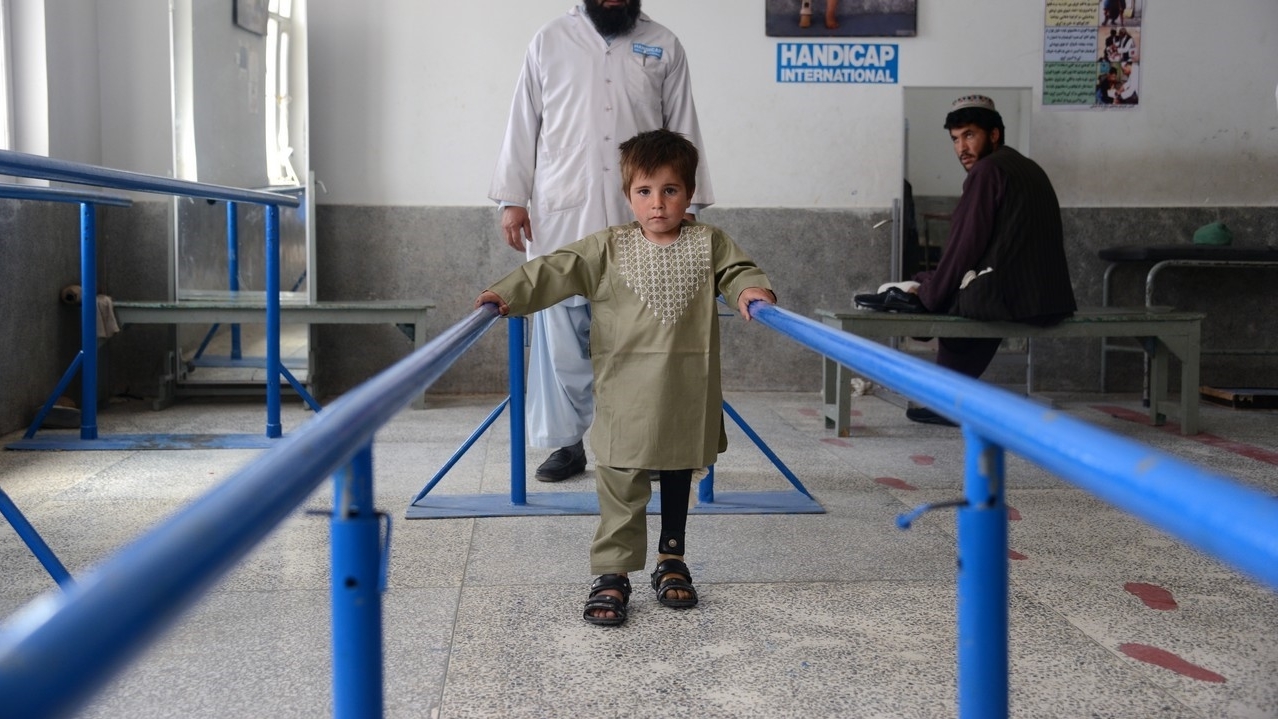
Kandahar rehabilitation centre

Actions in process

HI has long supported physical rehabilitation centres in several provinces. These centres provide essential services, including physical and functional rehabilitation, mental health and psychosocial support, the provision of prostheses and orthoses, and mobility aids (e.g., wheelchairs and crutches). They also offer follow-up care, repair of assistive products, and referral services.

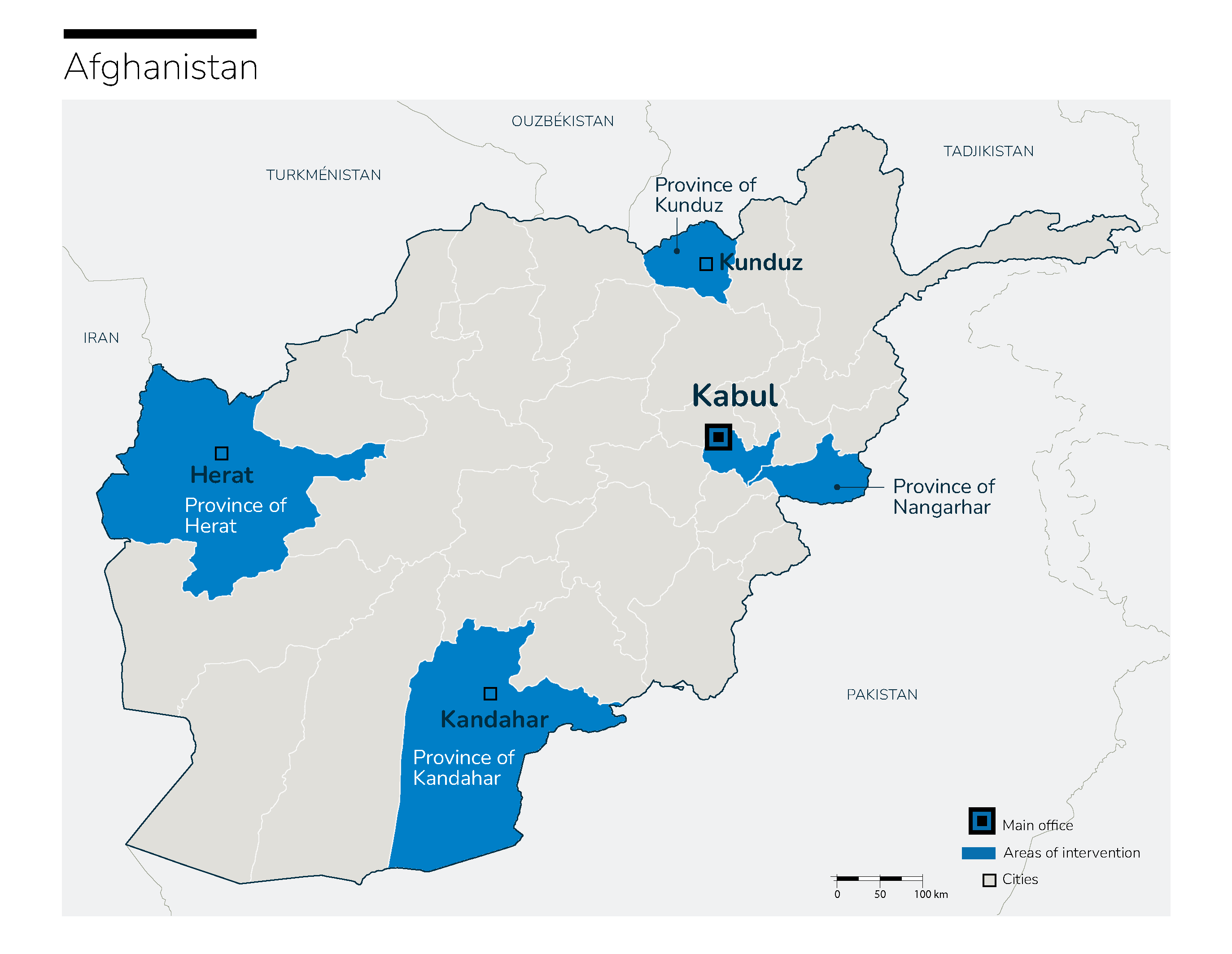
HI currently runs several livelihood projects in the provinces of Kunduz, Bamyan, Kunar, and Nangarhar. These projects support vulnerable groups such as persons with disabilities, internally displaced people, female-headed households, and households that lost their economic activity in the August 2025 earthquake. On the ground, HI helps beneficiaries rebuild their economic independence through several types of support: vocational training, enabling people to learn practical skills; distribution of livelihood kits, including tools and equipment needed to start small businesses; and individual coaching and follow-up, helping beneficiaries develop sustainable economic activities.

HI also works with humanitarian organizations to make NGO programmes more inclusive and accessible by providing awareness sessions on disability inclusion, as well as training and capacity-building for humanitarian staff.

HI conducts explosive ordnance risk education activities in Kunduz and Herat provinces. These sessions take place in villages, schools, and agricultural areas. The programme focuses on populations most at risk, including farmers working in contaminated fields, schoolchildren, scrap metal collectors, returnees from Iran and Pakistan, and other vulnerable groups. 


Situation of the country

Afghanistan is one of the poorest countries in the world and has been devastated by more than four decades of conflict, repeated natural disasters, chronic poverty, and food insecurity. Since the Taliban took power in August 2021, the country has faced a severe economic crisis and a sharp decline in international funding, leaving millions of people dependent on humanitarian aid.

Today, Afghanistan is experiencing one of the world's most severe hunger crises. Around 17.4 million people — more than one third of the population — are facing acute food insecurity, while 4.9 million women and children are expected to suffer from malnutrition in 2026.

Cuts in humanitarian funding have forced aid agencies to significantly scale back their assistance, leaving many vulnerable families without support. The humanitarian situation is further aggravated by climate-related shocks, including droughts, floods, and earthquakes. In addition, millions of Afghans have been forced to return from neighbouring countries, such as Iran and Pakistan, in recent years, placing further strain on already overstretched communities and humanitarian services.

Afghanistan also remains one of the world's largest displacement crises. Millions of Afghans continue to live as refugees abroad, mainly in Iran and Pakistan, while many others are internally displaced due to conflict, natural disasters, and economic hardship.

  • Number of HI staff members: 480 
  • Date the programme opened: 1987


Map of Humanity & Inclusion's interventions in Afghanistan

Latest stories

 
© Jaweed Tanveer / HI