Go to main content

Ukraine

2026 marks the fourth year since the start of the full-scale invasion of Ukraine. Intensified aerial attacks, drone strikes and long-range bombardments of infrastructure have made life increasingly difficult for millions of Ukrainians. Civilian casualties continue to rise and people are still being displaced. It is estimated that 10.8 million people require assistance. 

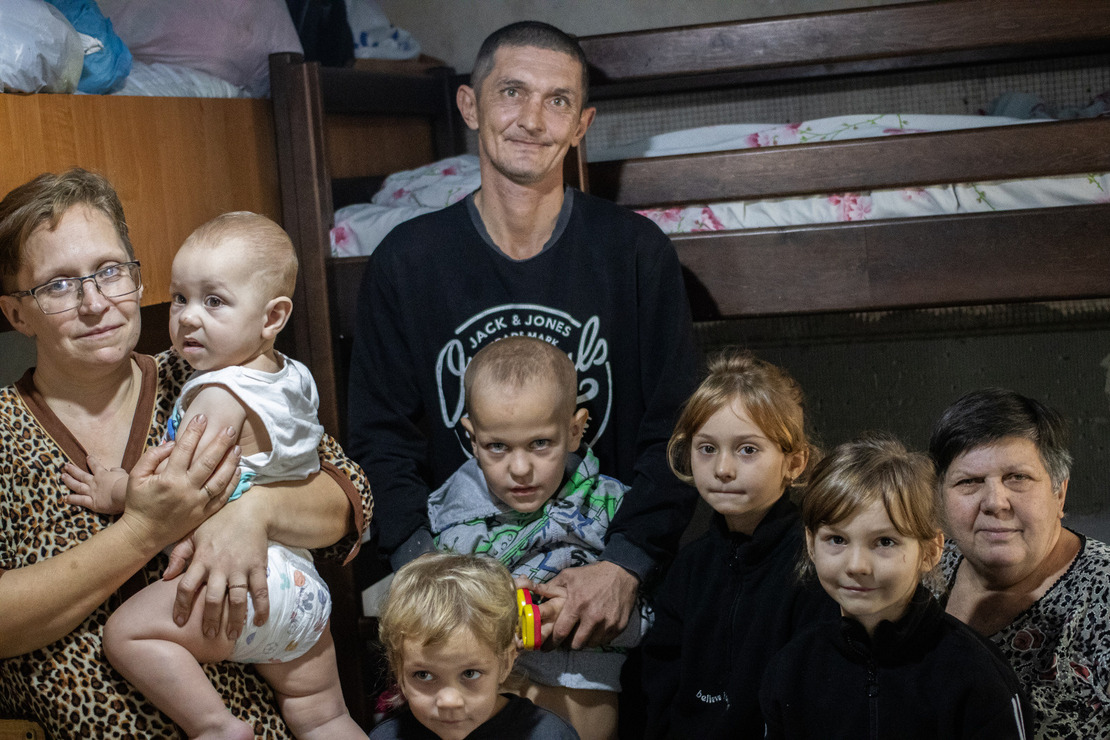
Oleksandr's family is living in a tiny house with only two small rooms in the village of Chaplyne in Dnipro oblast, Ukraine.

Actions in process

HI initially operated in Ukraine from 2015 to 2017, focusing on rehabilitation, Explosive Ordnance Risk Education (EORE) for people living along the frontline, and capacity-building activities for health and social structures in Donetsk, Dnipropetrovsk, and Luhansk regions.

HI returned to Ukraine in February 2022, at the beginning of the conflict. Emergency response teams were deployed across Ukraine and in neighbouring Moldova, where many displaced people had fled for safety.

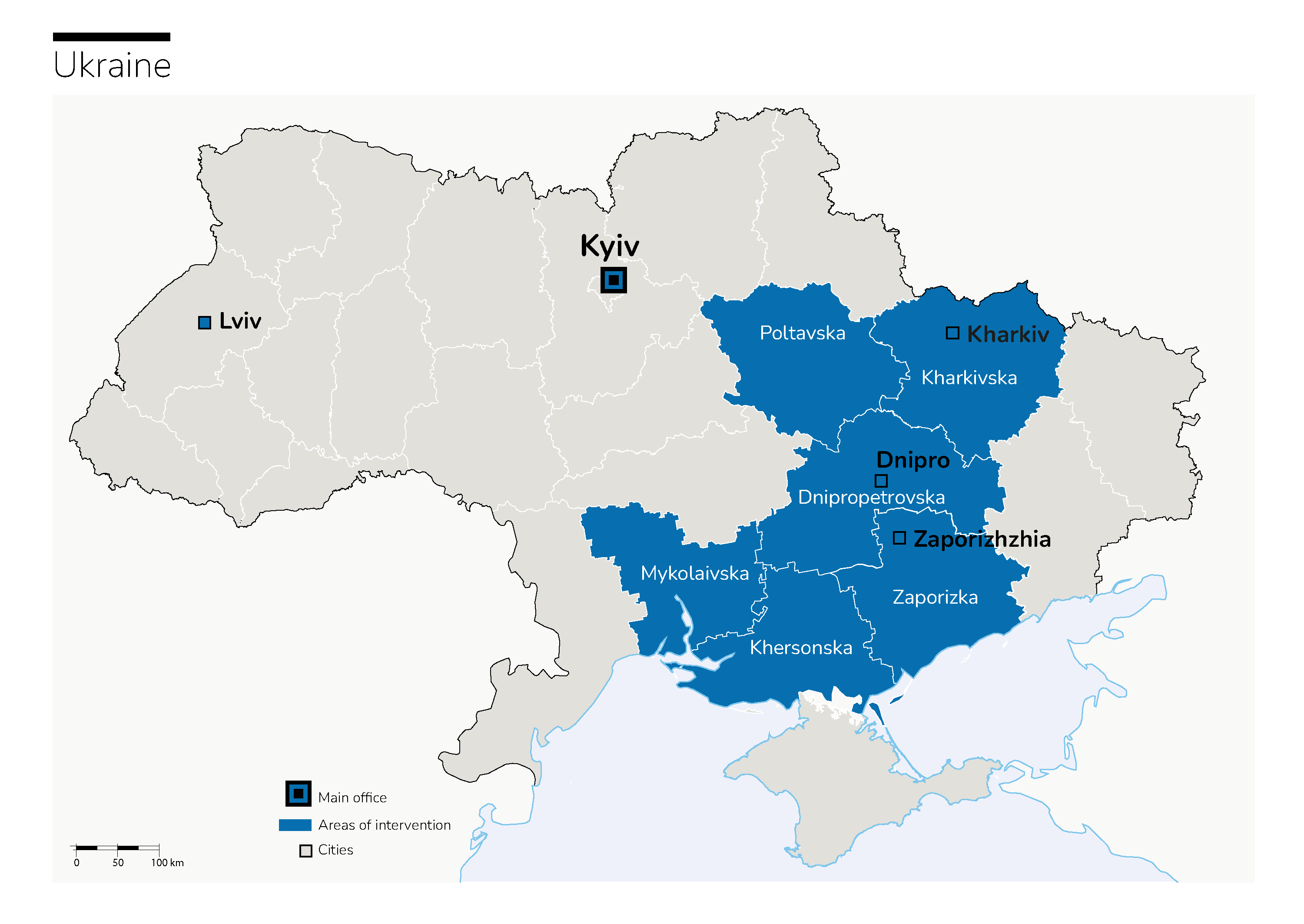
In 2026, HI has active bases in Kharkiv and Dnipropetrovsk regions, as well as a coordination office in Kyiv. In partnership with several local organisations, HI assists the immediate needs of vulnerable conflict-affected populations: HI provides physical and functional rehabilitation, and psychosocial support sessions to persons injured and displaced by the conflict, as well as risk education sessions to raise awareness of the dangers of explosive remnants of war.



Situation of the country

As of 2026, the humanitarian situation in Ukraine remains critical. According to United Nations and Ukrainian government data, approximately 10.8 million people are in need of humanitarian assistance, of whom more than 3.7 million remain internally displaced.

The greatest needs are concentrated in the eastern and southern regions, as well as in the northern border areas, where ongoing fighting and shelling leave people without shelter or access to energy, water, and health services. People with disabilities and the elderly — who together account for approximately 30% of all those in need of assistance — as well as children, single parents, and people with chronic illnesses, are among the most vulnerable. Large-scale destruction of infrastructure has caused widespread disruptions to electricity, heat, and water supplies, while the health system is overwhelmed by a growing number of patients.

The main priorities of humanitarian assistance in 2026 include ensuring access to water, sanitation, and hygiene; food security and cash support; shelter and heating; medical services and psychosocial support.

Number of HI staff: 95

Programmed opened in 2022

 
Map of HI operations in Ukraine

Latest stories

 
© M.Monier / HI