Go to main content

Peru

In the heart of the Peruvian Amazon and Andes, HI is empowering women, young people and people with disabilities against the effects of climate change. 

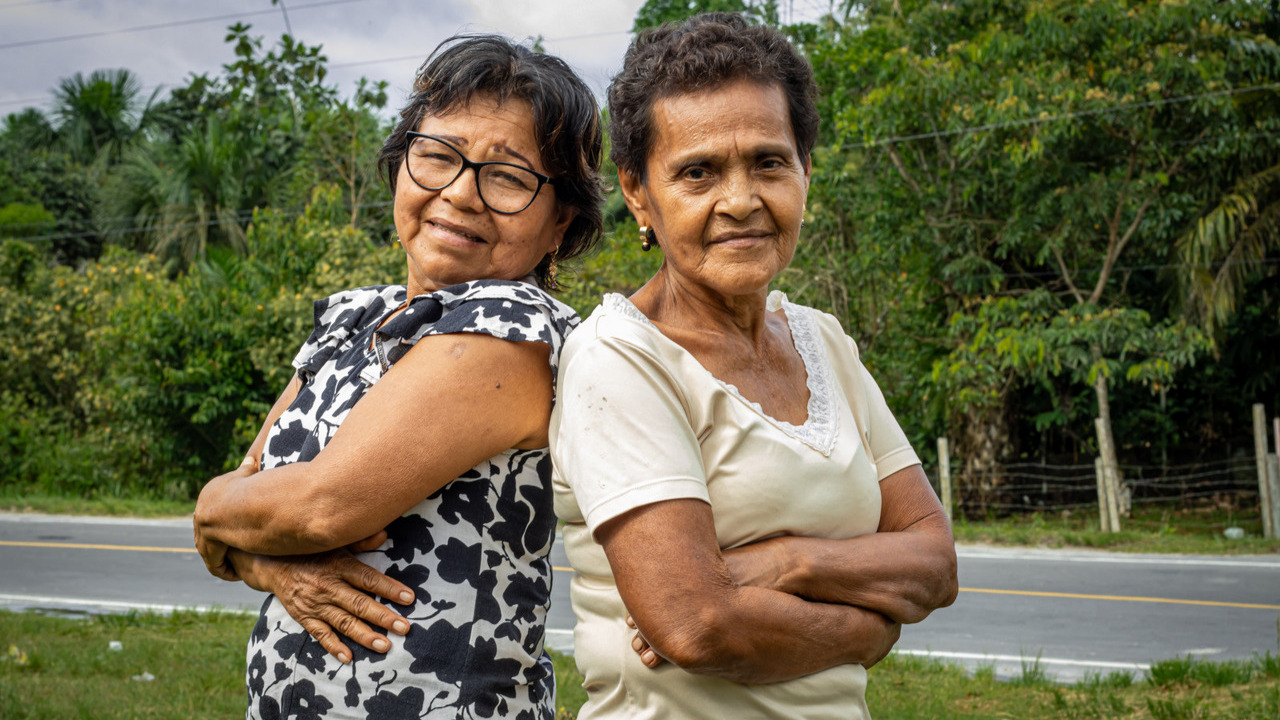
Two women are standing back-to-back, striking a confident pose, and looking at the camera with a smile.

Actions in process

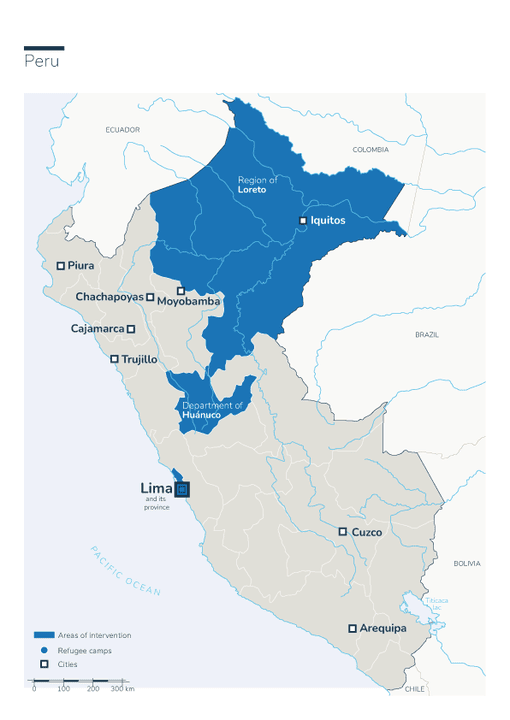
In Peru, climate change is a daily reality – disrupted seasons, increased flooding and mudslides, etc. To tackle this, HI has launched a project to train and empower communities in two regions, Huánuco and Loreto, in the north and centre of the country. Farmers, schoolchildren, civil society representatives and elected officials learn about climate change and its impacts on daily life.  

Together, they are working together to find ways to cope with and mitigate them via exploring local and inclusive solutions, such as planting fruit trees, reforestation initiatives using local plant species, crop diversification and the planting of hedgerows. 

By adopting an intersectional approach, HI helps to strengthen the participation of young people, women and people with disabilities in local prevention policies, ensuring that their specific needs are taken into account and addressed. The organisation also supports local and green initiatives, which help to strengthen communities’ resilience to climate-related hazards and contribute to preserve their resources. 

  • Number of HI staff: 11 people 
  • Number of direct beneficiaries supported by HI in 2025: 1,980 people 
  • Number of indirect beneficiaries supported by HI in 2025: 5,940 people  
  • Programme launch date: 2018 

Areas of intervention


Situation of the country

Peru, a South American country with a population of over 34 million people, faces major humanitarian and socio-economic challenges, exacerbated by recurring disasters and persistent inequalities.

In recent years, climate crises and disasters such as floods and landslides have affected hundreds of thousands of people, particularly in the Andean and Amazonian regions. These disasters, which destroy infrastructure, crops and homes, have led to mass displacement, increased food insecurity and deteriorated the living conditions of the most vulnerable populations, including people with disabilities, who are often disproportionately affected by crises and difficulties in accessing basic services. 

Furthermore, since 2017 Peru has been hosting large numbers of Venezuelan refugees and migrants; by the end of 2024, more than 1.6 million Venezuelans were residing in Peru, often in precarious conditions. The humanitarian needs of these populations as well as those of the host communities remain significant, particularly in terms of protection, health and education. 

Although Peru has experienced moderate growth in recent years, inequalities remain marked and social tensions persist, particularly due to crime, regional disparities and precarious public services. Despite some economic resilience, disasters and climate shocks have exacerbated poverty and exclusion, affecting rural and indigenous communities in particular. 

  • Population: 34.3 million 
  • HDI: 0.794 (2023) 
  • GDP: USD 289.22 billion (2024) 
  • GDP per capita: ~$8,450 (2024) 
 
HI actions in Peru

Latest stories

 
R. Barranzuela / HI