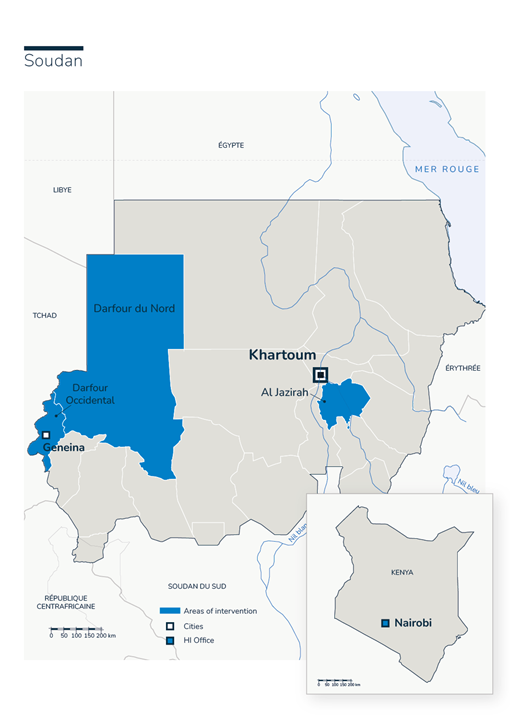
Sudan, Africa’s third-largest country with a population of nearly 54 million, has been embroiled since April 2023 in a devastating armed conflict between the Sudanese Armed Forces (SAF) and the Rapid Support Forces (RSF). This conflict, characterised by extreme violence (bombings, sieges, attacks on civilians), has caused an unprecedented humanitarian disaster: more than 13 million people have been displaced, with over 9 million internally displaced, making Sudan the scene of the world’s largest internal displacement crisis. Furthermore, in 2025, more than 33 million people were in need of humanitarian aid (an increase of 3 million compared with 2025) – in April of that year, the United Nations described this crisis as the most serious in the world.
The situation in the country is exacerbated by economic collapse and the destruction of infrastructure (health, water, agriculture, energy, education, etc.). In 2026, 24.6 million Sudanese were suffering from acute food insecurity, particularly in Darfur and Kordofan, where famine had become widespread. Children are particularly affected: more than 21 million (45 per cent of the population) are acutely food insecure, and hundreds of thousands are suffering from severe malnutrition.
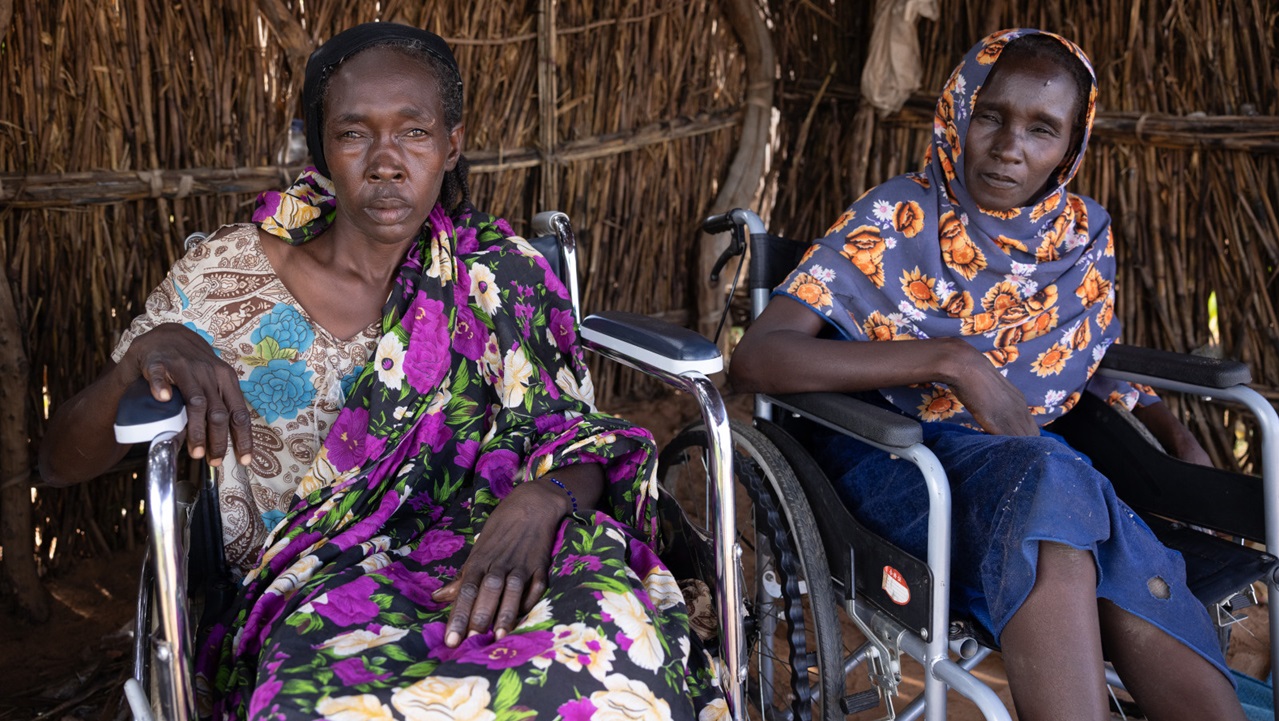
The most vulnerable people, such as women, children, people with disabilities and the elderly, are particularly exposed to all forms of violence. Despite the efforts of humanitarian organisations to reach the most remote areas of the country, significant access constraints – particularly in areas of active conflict – as well as funding constraints continue to hinder the delivery of aid where it is most needed. As a result, humanitarian workers are also being targeted; 130 were killed in 2025, and despite a funding appeal of $2.9 billion launched by the United Nations for 2026, only 16 per cent has been funded, jeopardising the emergency response.
- Population: 53.8 million
- HDI: 0.511 (2023)
- GDP: 49.7 billion (2024)
- GDP per capita: 984 USD (2024)